
Legacy of Ownership: Black Entrepreneurs Who Built Generational Wealth
For over two centuries, Black entrepreneurs in America have transformed struggle into strategy and exclusion into ownership. Despite systemic barriers, they built enterprises that fueled communities, shaped culture, and created pathways to generational wealth.
Their stories are not just historical milestones — they are blueprints.
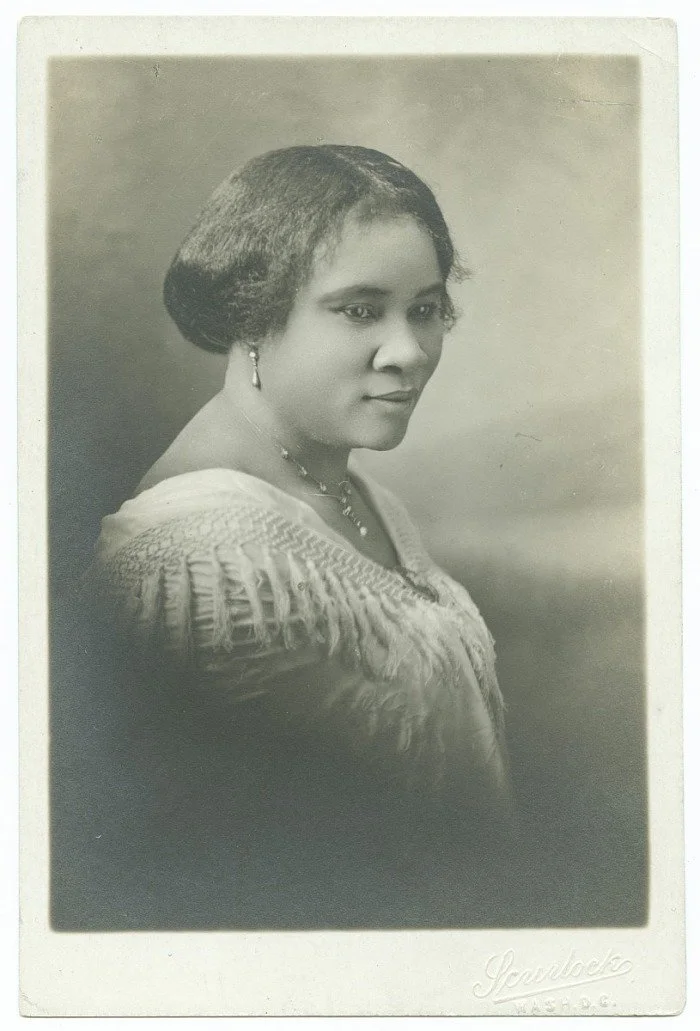
Madam C.J. Walker
Madam C.J. Walker, born Sarah Breedlove in 1867 to formerly enslaved parents, became one of America’s first self-made female millionaires. She built a national haircare empire at a time when Black women had limited access to professional products and economic opportunity.
Her company trained and employed thousands of Black women as sales agents, providing them with income, leadership development, and financial independence. Beyond business, she funded scholarships, supported civil rights organizations, and donated generously to Black institutions.
Impact:
She created wealth pathways for Black women, normalized entrepreneurship within the community, and demonstrated that ownership could be a form of empowerment and resistance.
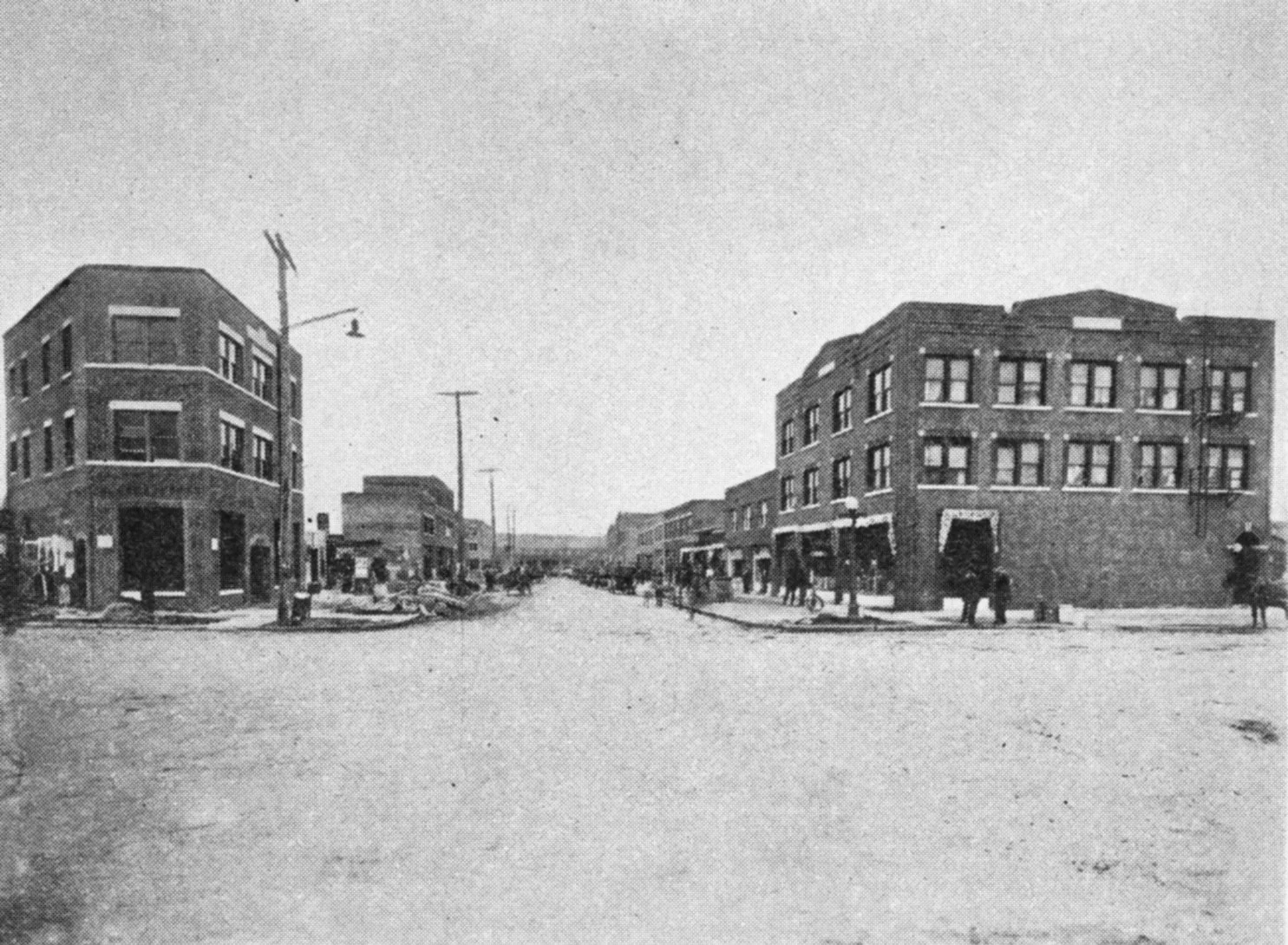
Greenwood District (Black Wall Street)
The Greenwood District in Tulsa, Oklahoma—known as Black Wall Street—was one of the most prosperous Black communities in early 20th-century America. Founded by Black entrepreneurs who built their own banks, hotels, medical practices, newspapers, and retail businesses, Greenwood became a symbol of economic self-sufficiency.
Before the 1921 Tulsa Race Massacre destroyed much of the district, over 600 Black-owned businesses circulated wealth within the community.
Impact:
Greenwood proved that collective ownership, reinvestment, and community-based economics could generate generational wealth and economic independence.
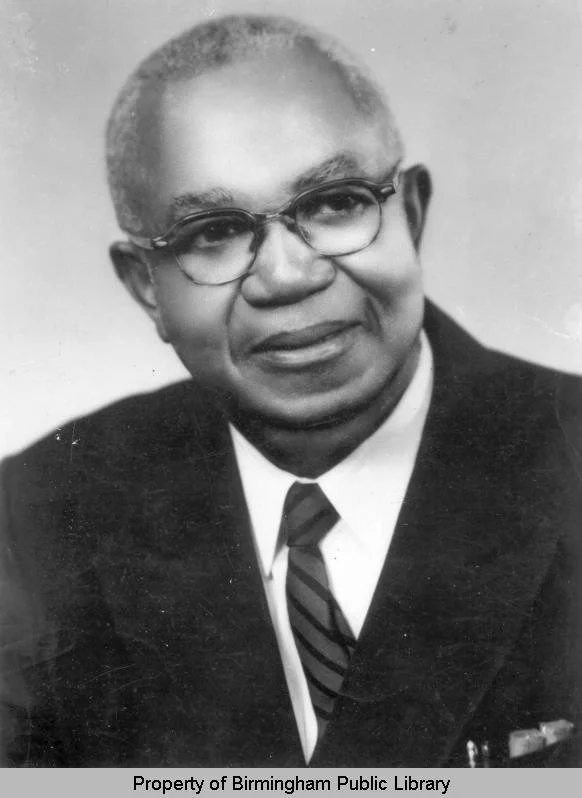
A.G. Gaston
Arthur George (A.G.) Gaston was a pioneering businessman in Birmingham, Alabama. Born to formerly enslaved grandparents, he built a financial empire that included banks, insurance companies, funeral homes, and the A.G. Gaston Motel.
During the Civil Rights Movement, his motel became a strategic meeting place for leaders like Martin Luther King Jr. He also provided financial services to Black families who were denied access by white-owned institutions.
Impact:
Gaston used business as a tool for civil rights and economic empowerment, ensuring Black families could build assets, secure loans, and access financial stability.
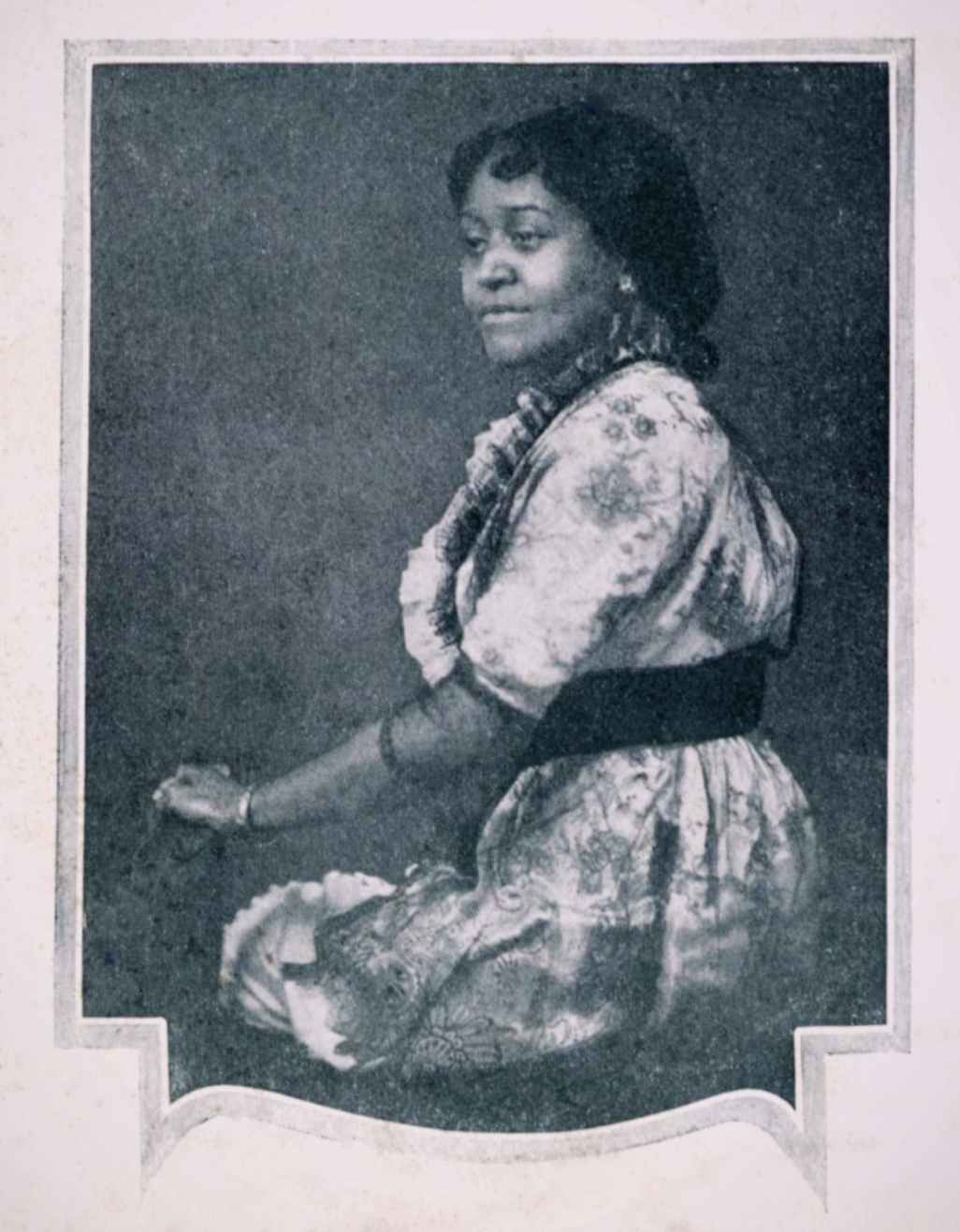
Annie Malone
Annie Malone was one of the first Black female millionaires and a trailblazer in the beauty industry. She founded Poro College in St. Louis, a training institution that educated thousands of Black women in cosmetology, sales, and entrepreneurship.
She believed financial independence was essential for women’s freedom and self-determination.
Impact:
Malone created structured business education programs for Black women, empowering them to become financially self-sufficient and community leaders.
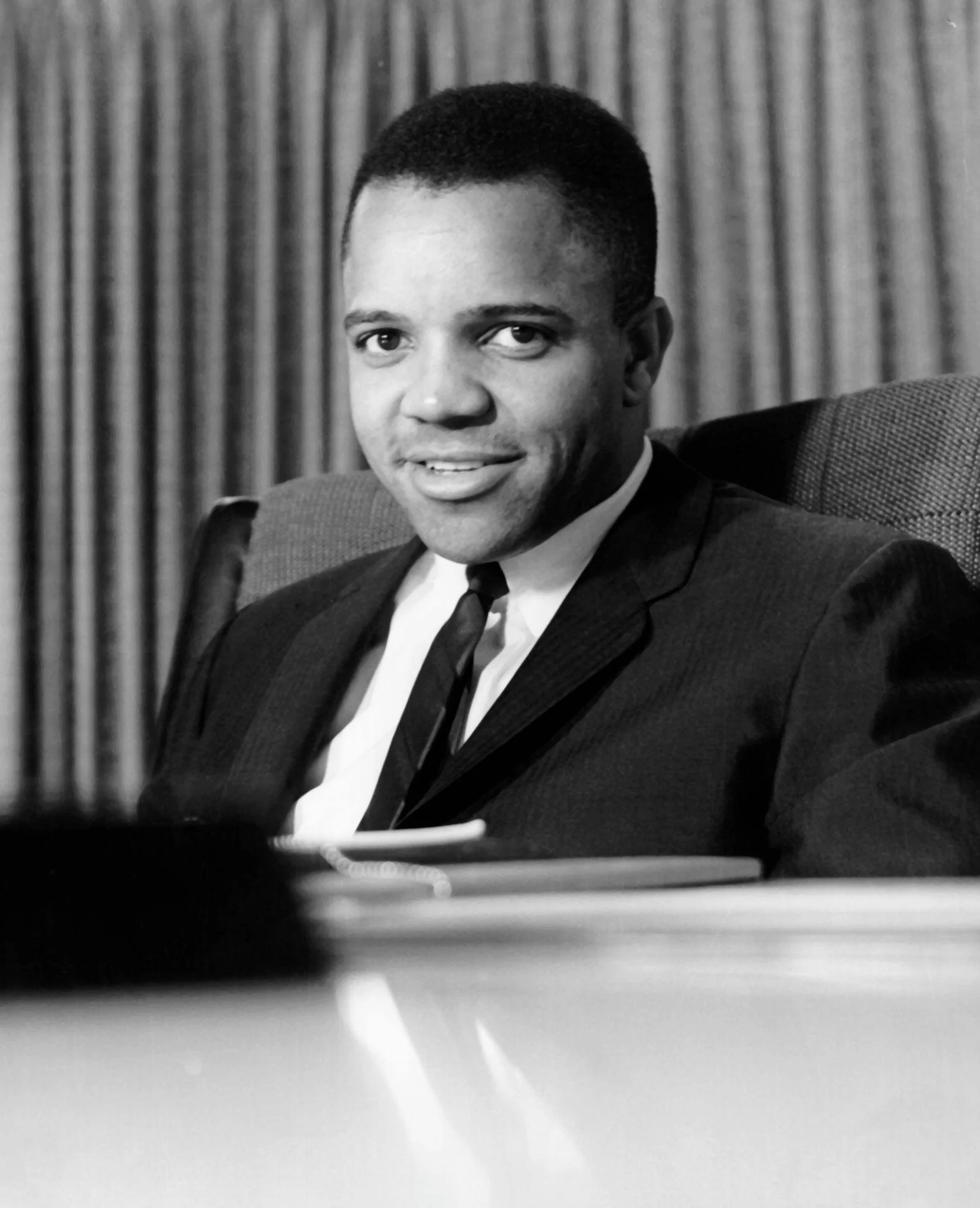
Berry Gordy – Founder of Motown Records
Berry Gordy founded Motown Records in 1959 with an $800 loan. His label produced legendary artists and transformed Detroit into a cultural powerhouse.
More than music, Gordy built a vertically integrated system—artist development, production, marketing, and distribution—all controlled by Black leadership.
Impact:
He created global economic and cultural influence while providing Black artists ownership opportunities and professional infrastructure during segregation.
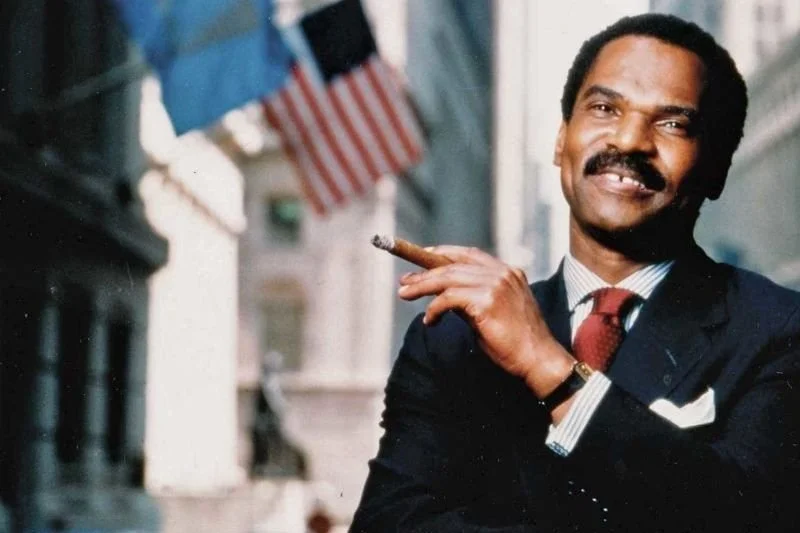
Reginald F. Lewis
Reginald F. Lewis became the first Black billionaire in the United States after acquiring and restructuring TLC Beatrice International, a global food conglomerate.
He was known for strategic acquisitions and bold financial leadership. He also established scholarships and philanthropic initiatives to support education and opportunity.
Impact:
Lewis shattered corporate ceilings, proving Black entrepreneurs could operate and win at the highest levels of global finance.
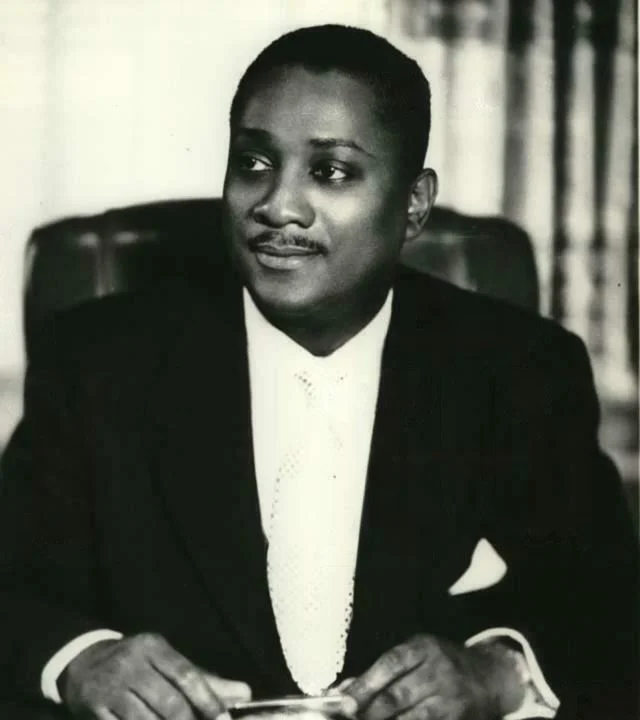
John H. Johnson – Founder of Ebony Magazine
John H. Johnson founded Ebony Magazine in 1945 with a $500 loan. His publications celebrated Black excellence, chronicled civil rights history, and reshaped representation in American media.
He provided a platform for stories mainstream outlets ignored.
Impact:
Johnson gave the Black community control over its narrative, inspiring pride, aspiration, and visibility for generations.
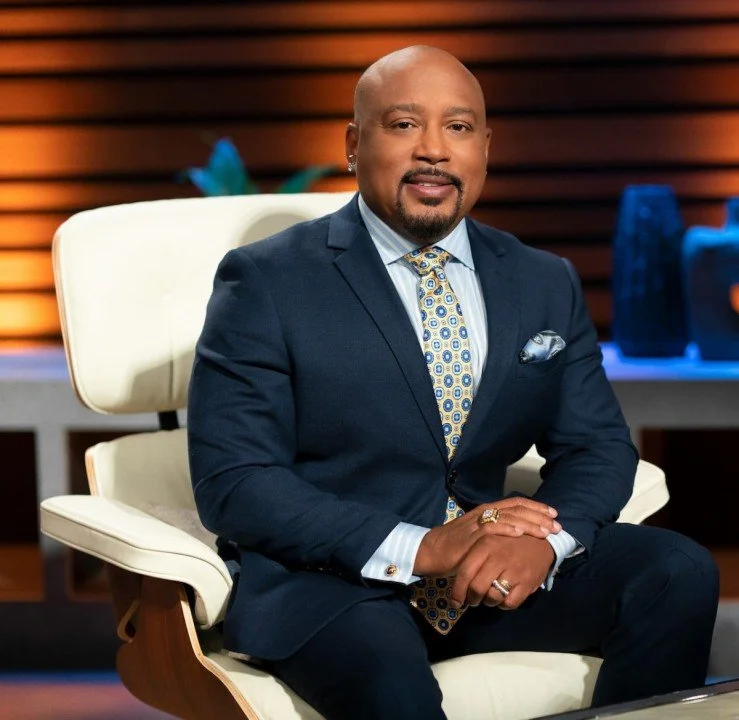
Daymond John – Founder of FUBU
Daymond John started FUBU (“For Us By Us”) from his mother’s home in Queens, New York. He built it into a global fashion brand that celebrated Black culture and urban entrepreneurship.
He later became an investor on Shark Tank and an advocate for small business education.
Impact:
John demonstrated how culture can become capital when paired with branding, ownership, and strategic marketing.
Closing Reflection for Black & Brown Founders
For over 200 years, Black entrepreneurs have:
• Built banks when banks excluded them
• Created media when narratives were distorted
• Built beauty empires, record labels, and billion-dollar corporations
• Circulated wealth inside their communities
Their legacy is not just history — it is blueprint.